2026
Solidity smart contract on Ethereum
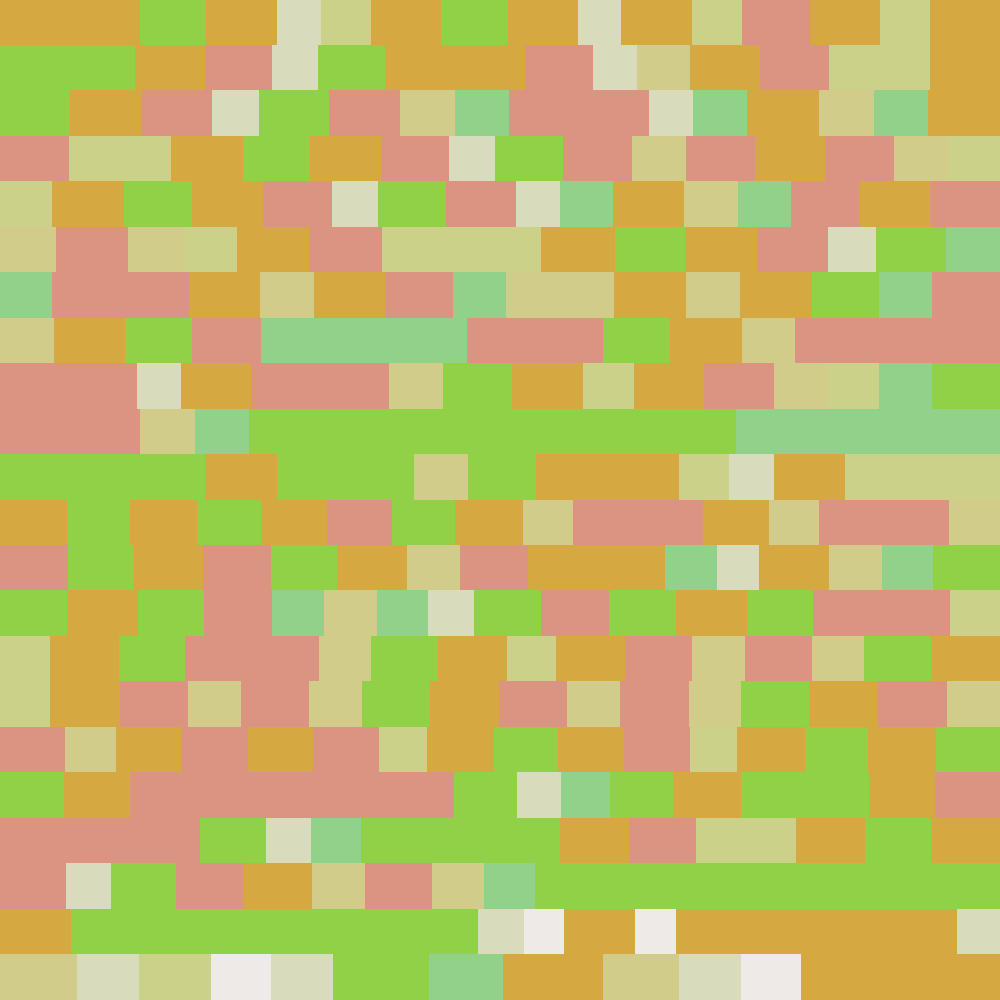
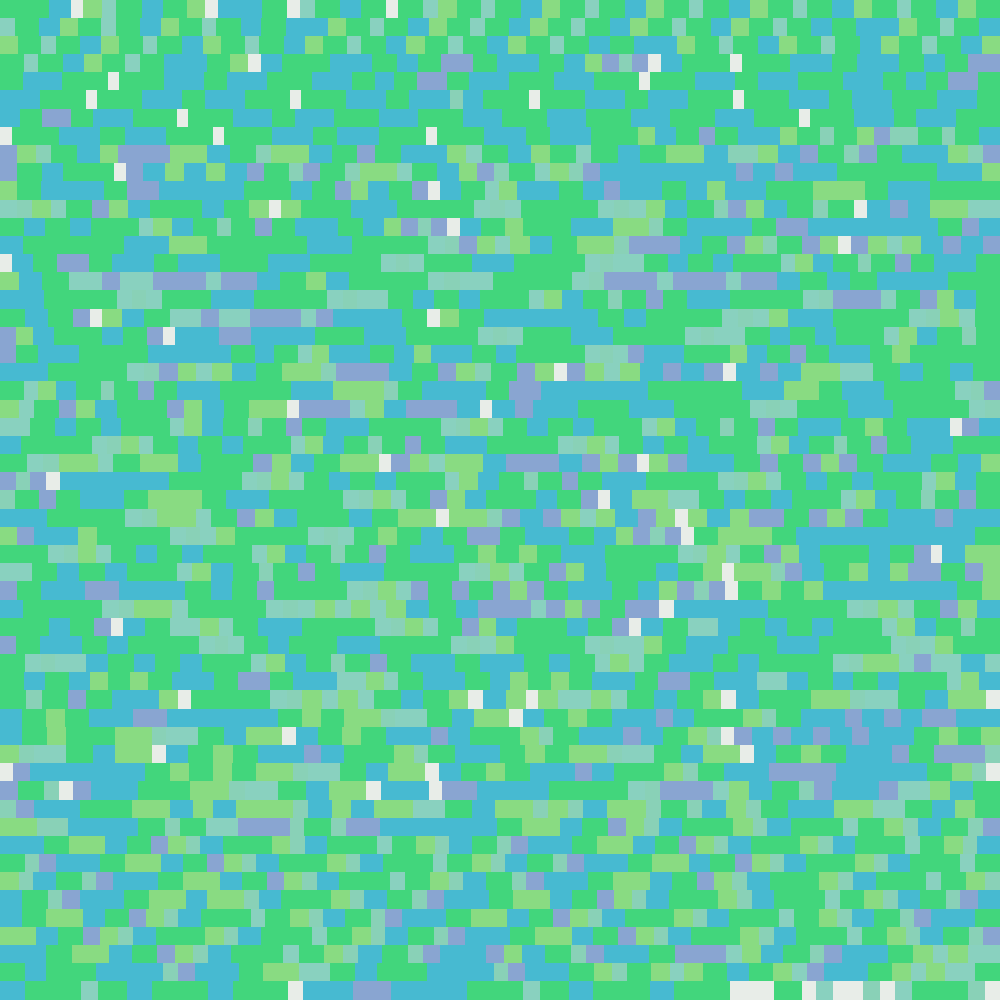
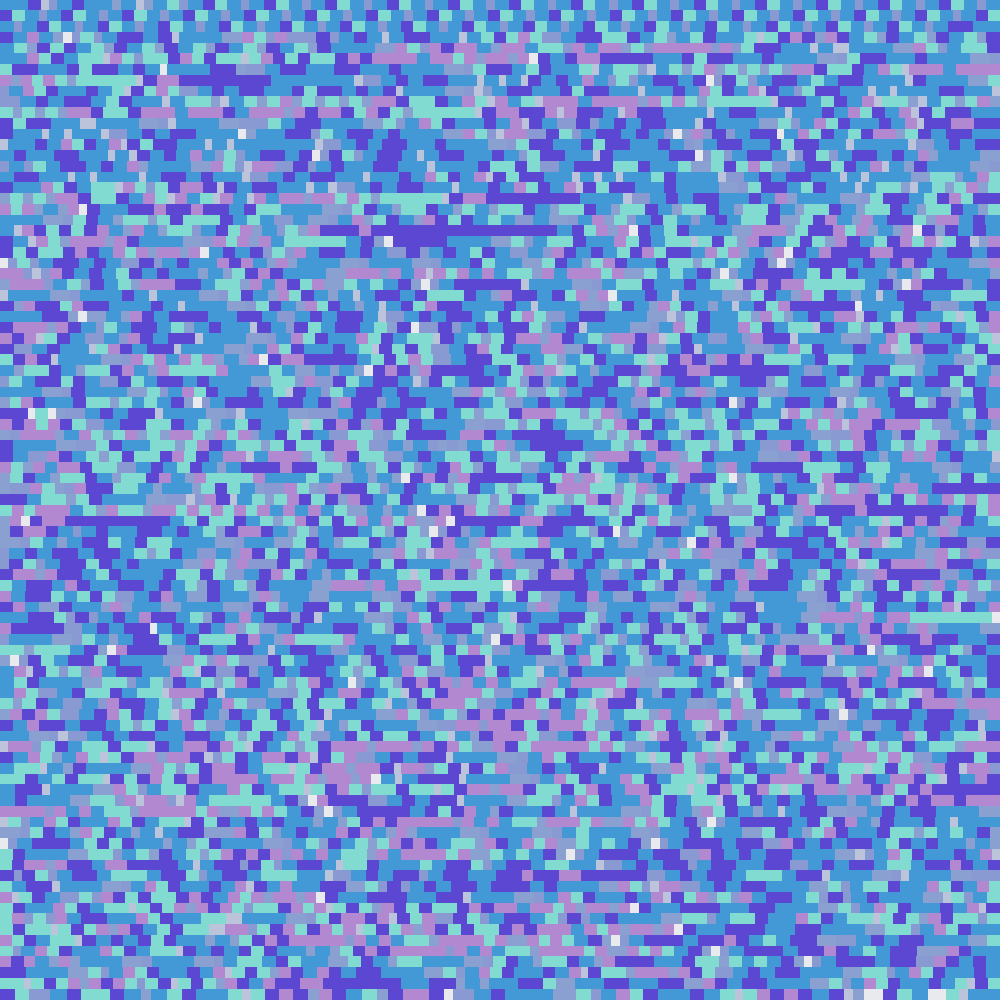
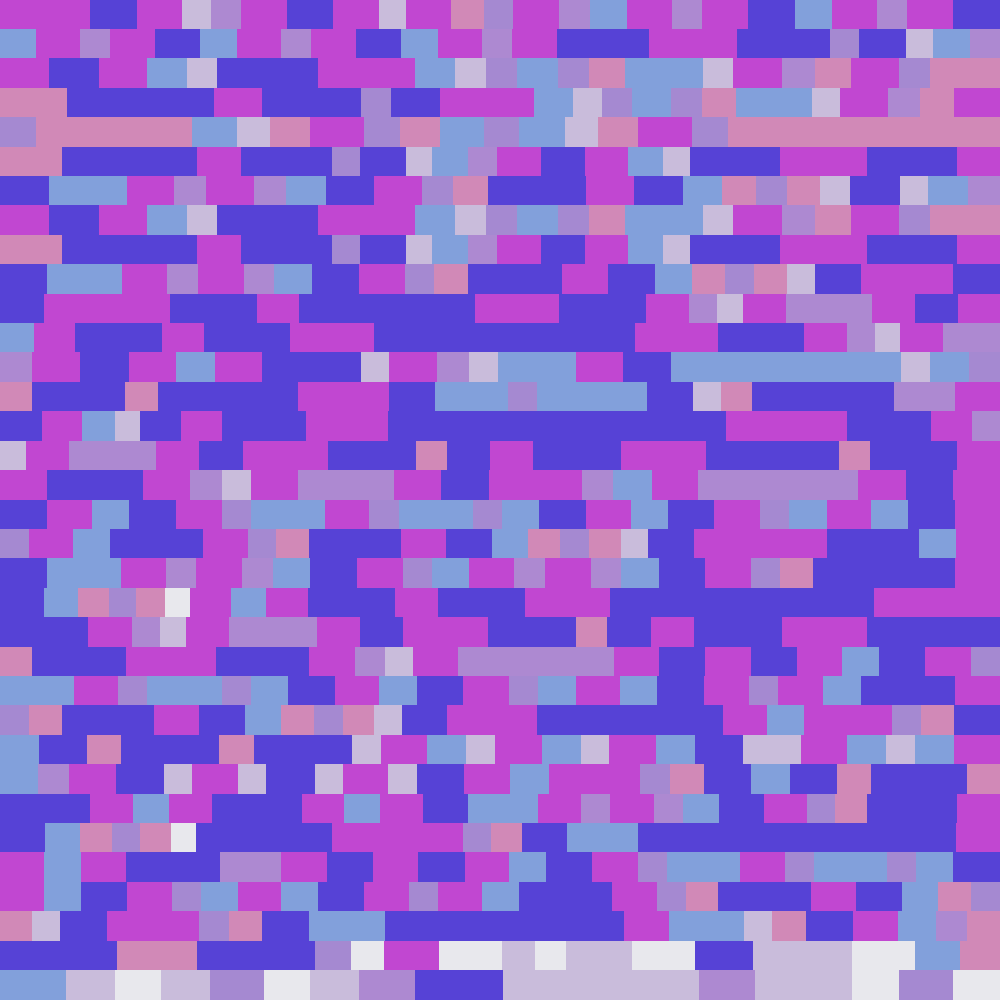
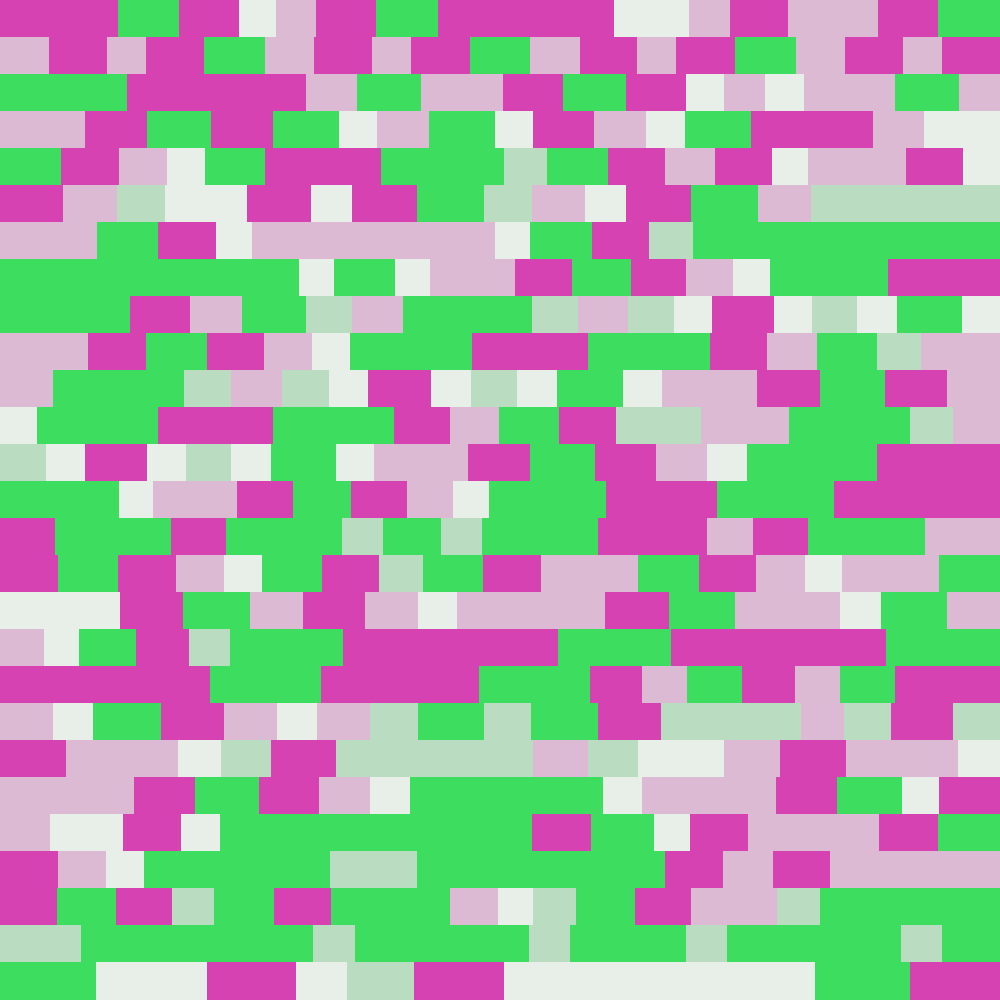
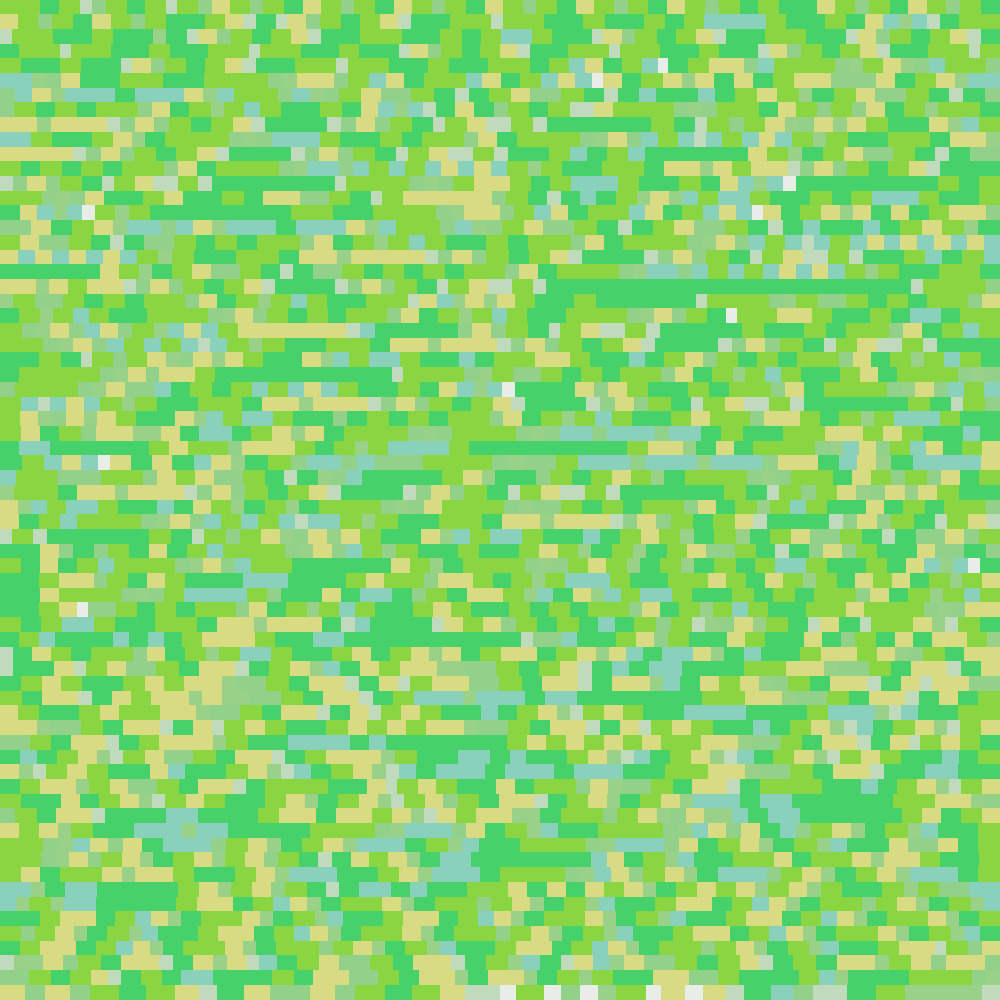
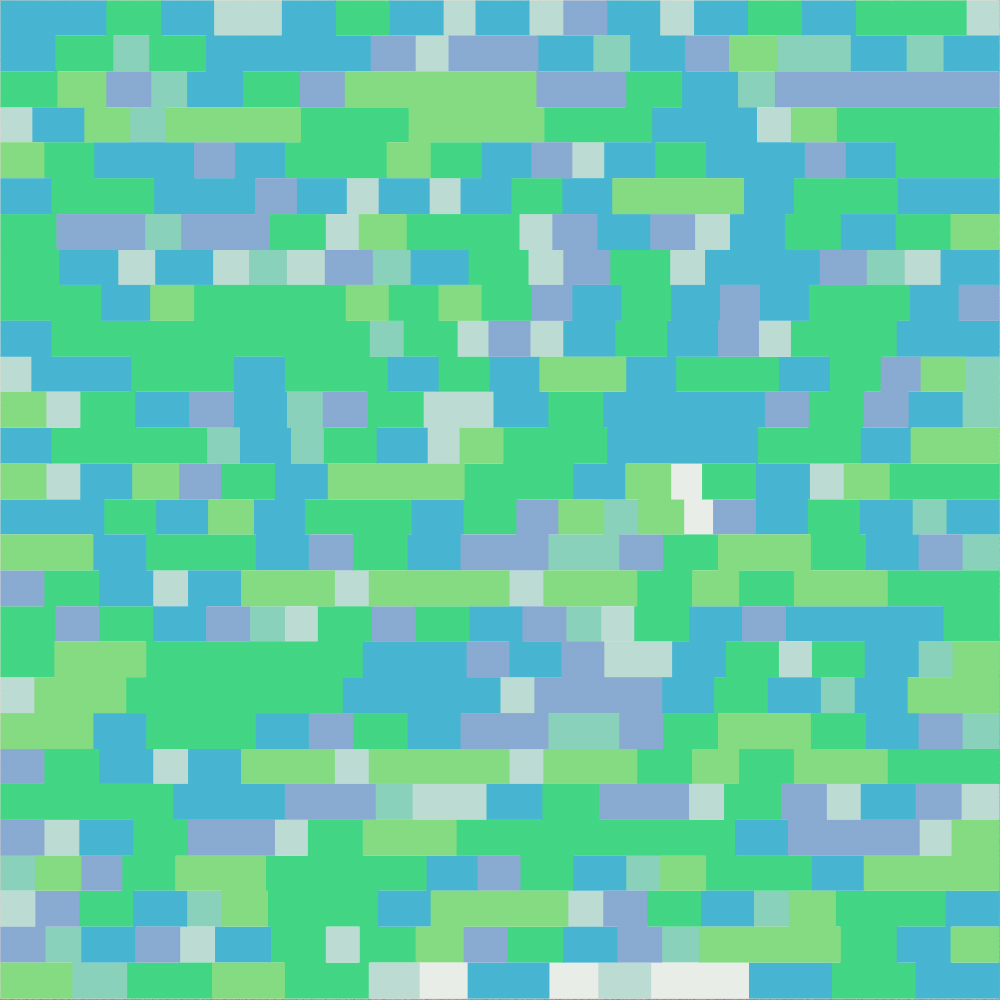
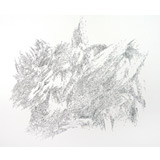
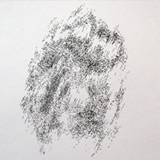
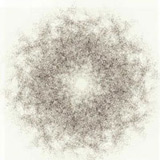
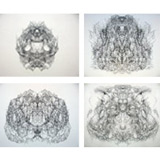
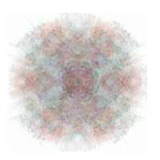
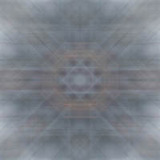
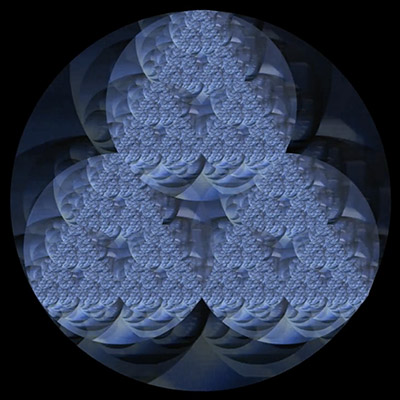
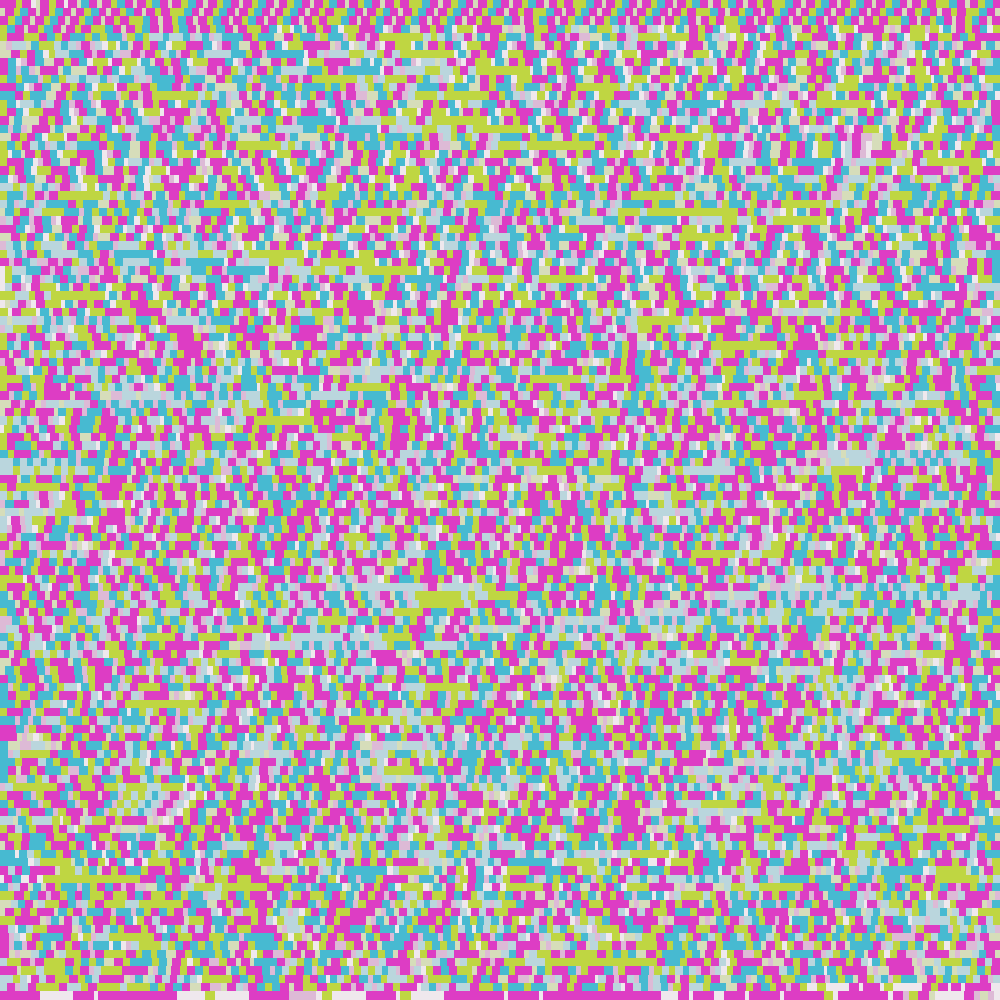
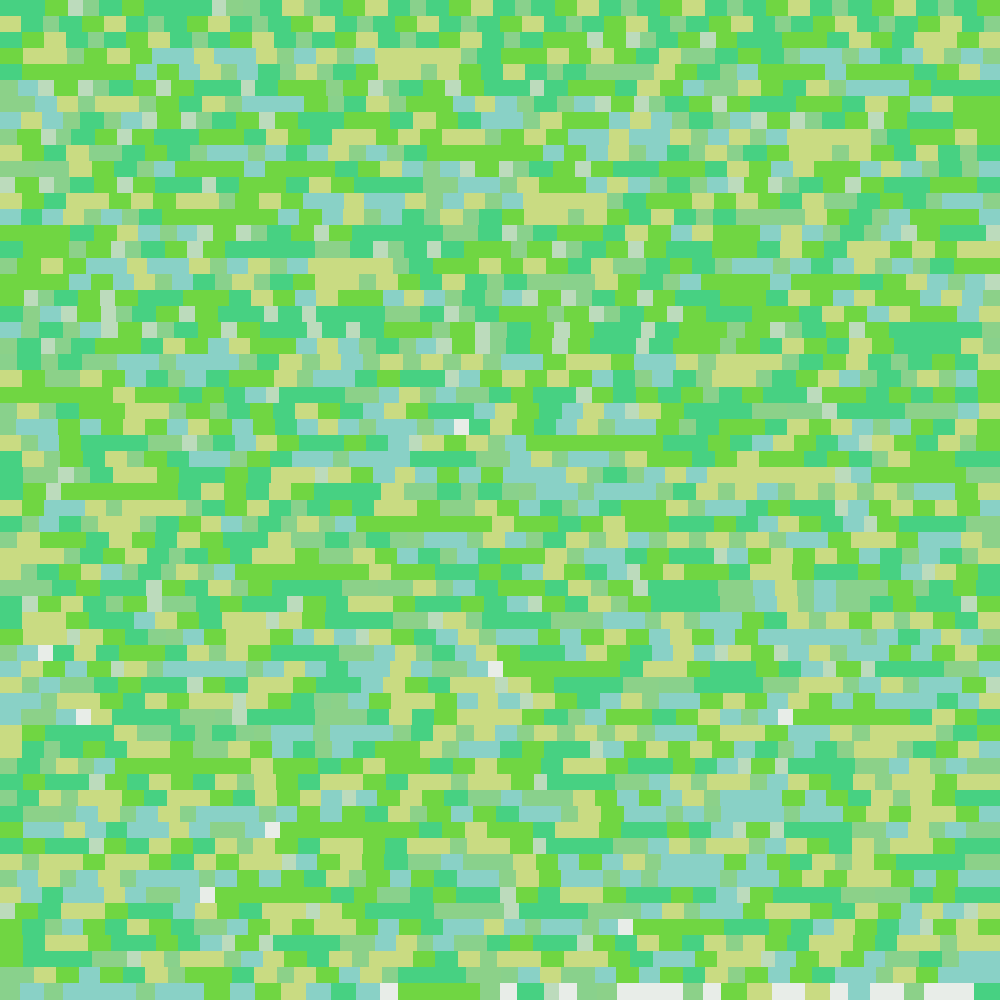
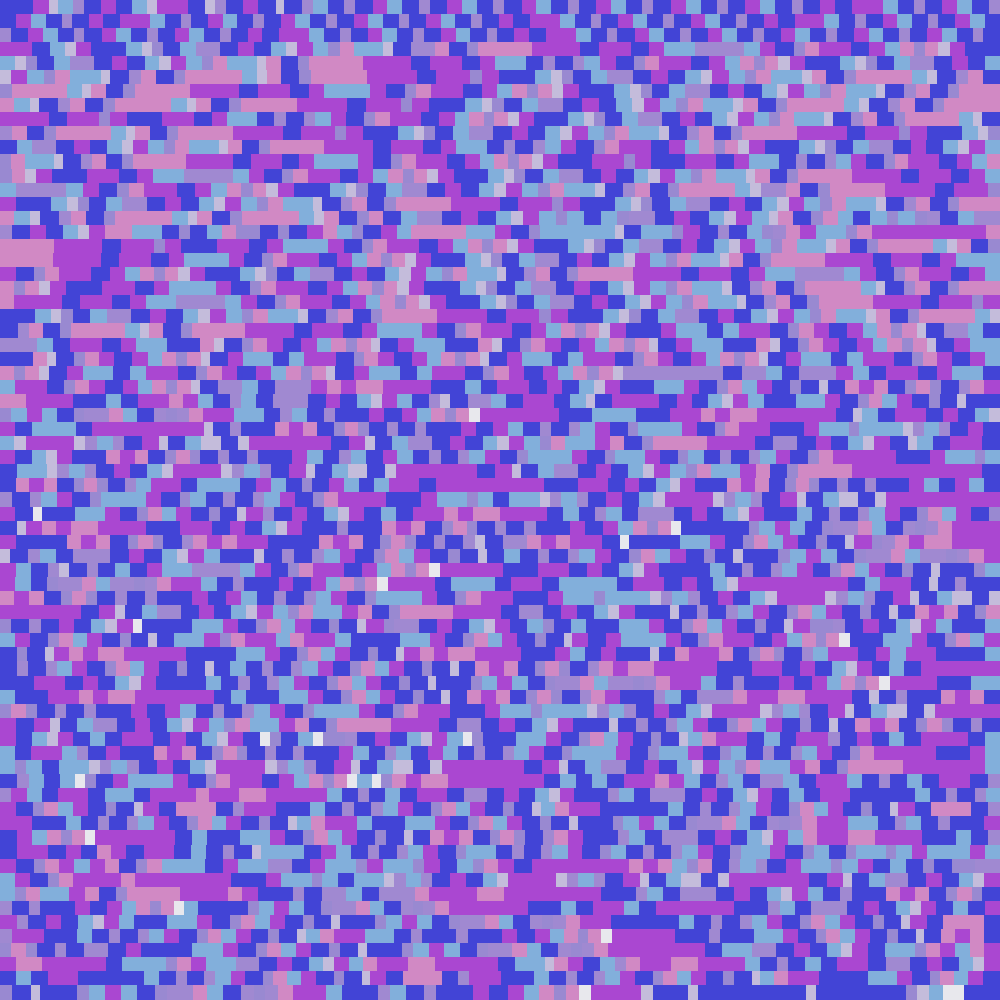
Op Codes is a fully onchain generative artwork on the Ethereum blockchain. Each of the 100 tokens is a visualization of the machine code that makes up a historically significant smart contract.
Executable code rendered as visual patterns.
These include DeFi protocols like Uniswap, Curve, and Tornado Cash, the DAO's infamous bug that lead to Ethereum being forked, artworks like CryptoPunks and platforms like ArtBlocks, and tokens like Pepe, BNB, WETH and more.
Minting at 0.01 ETH each, collection of 100.
---
Solidity → Compiler → Bytecode (Opcodes)
Opcodes (operation codes) are low level machine instructions that tell the Ethereum Virtual Machine (EVM) what operations to perform. Every smart contract on Ethereum is written in a human readable language, like Solidity or Vyper, and then translated into bytecodes.
These bytecodes are a sequence of hexadecimal instructions the EVM can interpret. Each of these hex codes corresponds to a specific opcode that manipulates data.
For example a + b would become PUSH a,
PUSH b, ADD
Each cell in the grid represents a single opcode from the contract's bytecode, arranged in program order. The grid dimensions are calculated to minimize empty space while maintaining a balanced aspect ratio. Cell colors are determined by opcode category: arithmetic operations, memory access, stack manipulation, control flow, and system calls each have distinct hues. Cell widths vary based on how frequently each opcode appears in the contract. The overall color palette is algorithmically derived from the contract's inherent properties, creating a unique visual fingerprint for each piece of code.